Test equipment for iron, steel & aluminium
Tensile strength, yield and elongation to ISO 6892-1, heat treatment, coating gloss and colour — the QC checks rebar mills, steel service centres, wire drawers and aluminium extruders run on every heat and batch.
Iron, Steel & Aluminium — Overview
Which tests are used for steel and aluminium? The core test is the tensile test to ISO 6892-1 (ASTM E8 in the US): a specimen of rebar, sheet, wire or extruded profile is pulled to fracture at a controlled rate to measure tensile strength (Rm), yield strength (ReH or Rp0.2) and elongation after fracture (A). Product standards such as EN 10080 / TS 708 for reinforcing steel and EN 755-2 for aluminium extrusions set the minimum values; the tensile test proves each heat or batch meets them.
How much force do you need? Breaking force = tensile strength × cross-section. A B500-grade rebar with Rm around 650 MPa breaks at roughly 74 kN at Ø12 mm and 131 kN at Ø16 mm, so the 200 kN AL-UN200 frame covers these sizes with margin; at Ø20 mm the force approaches 200 kN, and larger bars need a higher-capacity frame. A 6063-T6 aluminium profile strip (about 40 mm² cross-section) breaks near 10 kN, while thin aluminium sheet and foil strips need only a few hundred newtons — the 5 kN AL-UN5 gives better resolution there.
Grips decide the result. Hydraulic wedge grips (50–500 kN, interchangeable faces for round and flat specimens) keep a constant clamping force so ribbed rebar does not slip or break at the jaw; mechanical grips with stationary faces suit thin flat sheet and foil.
Beyond strength, labs heat-treat and condition specimens in a muffle furnace (250–1,000 °C — e.g. annealing or hardening steel specimens, solution treatment of aluminium) and a climate cabinet (−50 to 150 °C, 20–98 % RH). Painted and powder-coated aluminium profiles are checked for gloss at 60° to ISO 2813 — the geometry Qualicoat-type coating specifications use — and for colour difference (ΔE, L*a*b*) against the approved panel.
Test devices (8)
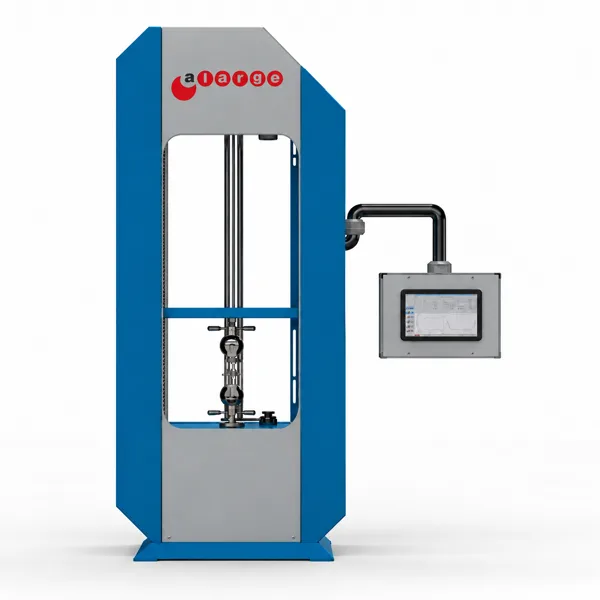
200 kN Universal Testing Machine (AL-UN200)
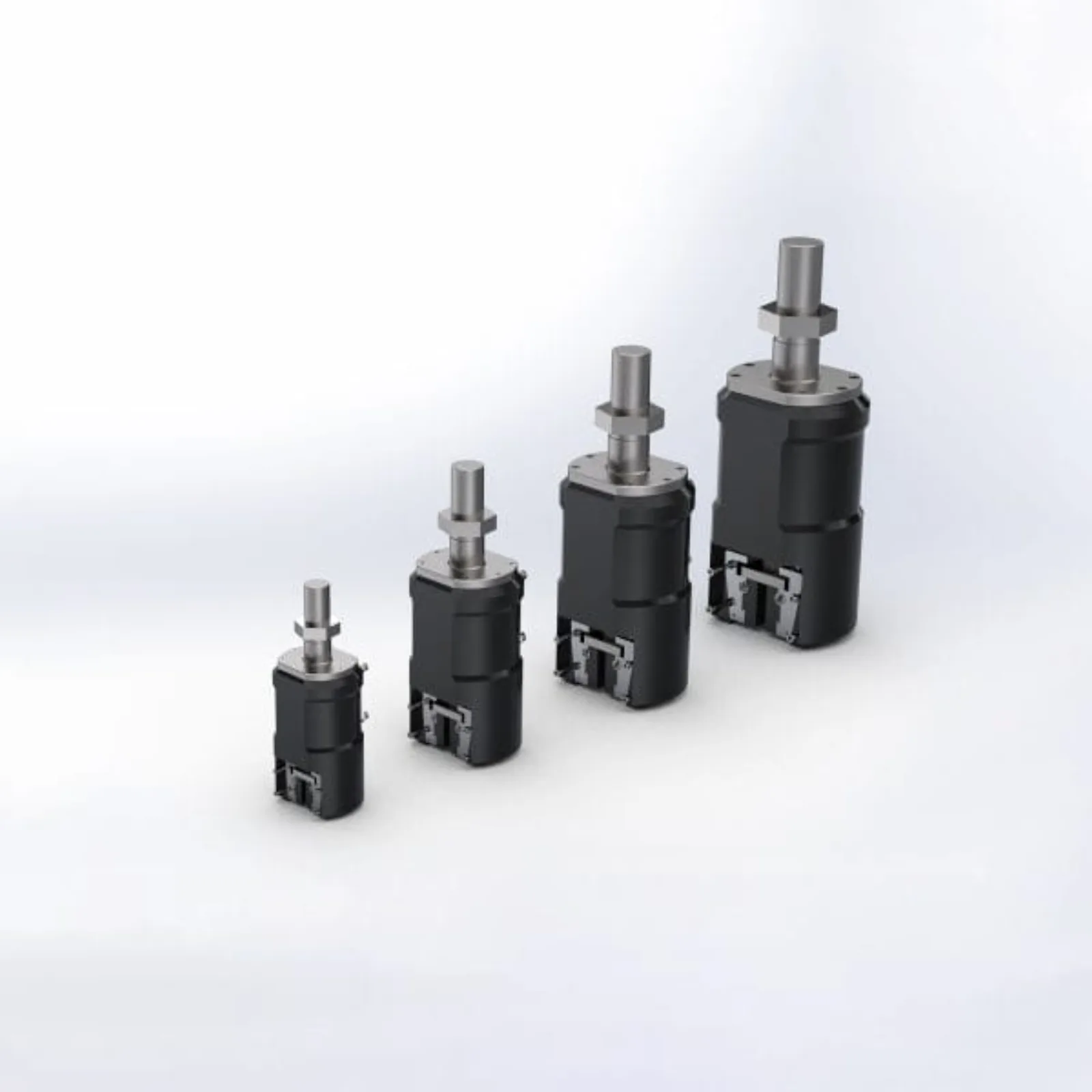
Grippers (Hydraulic)
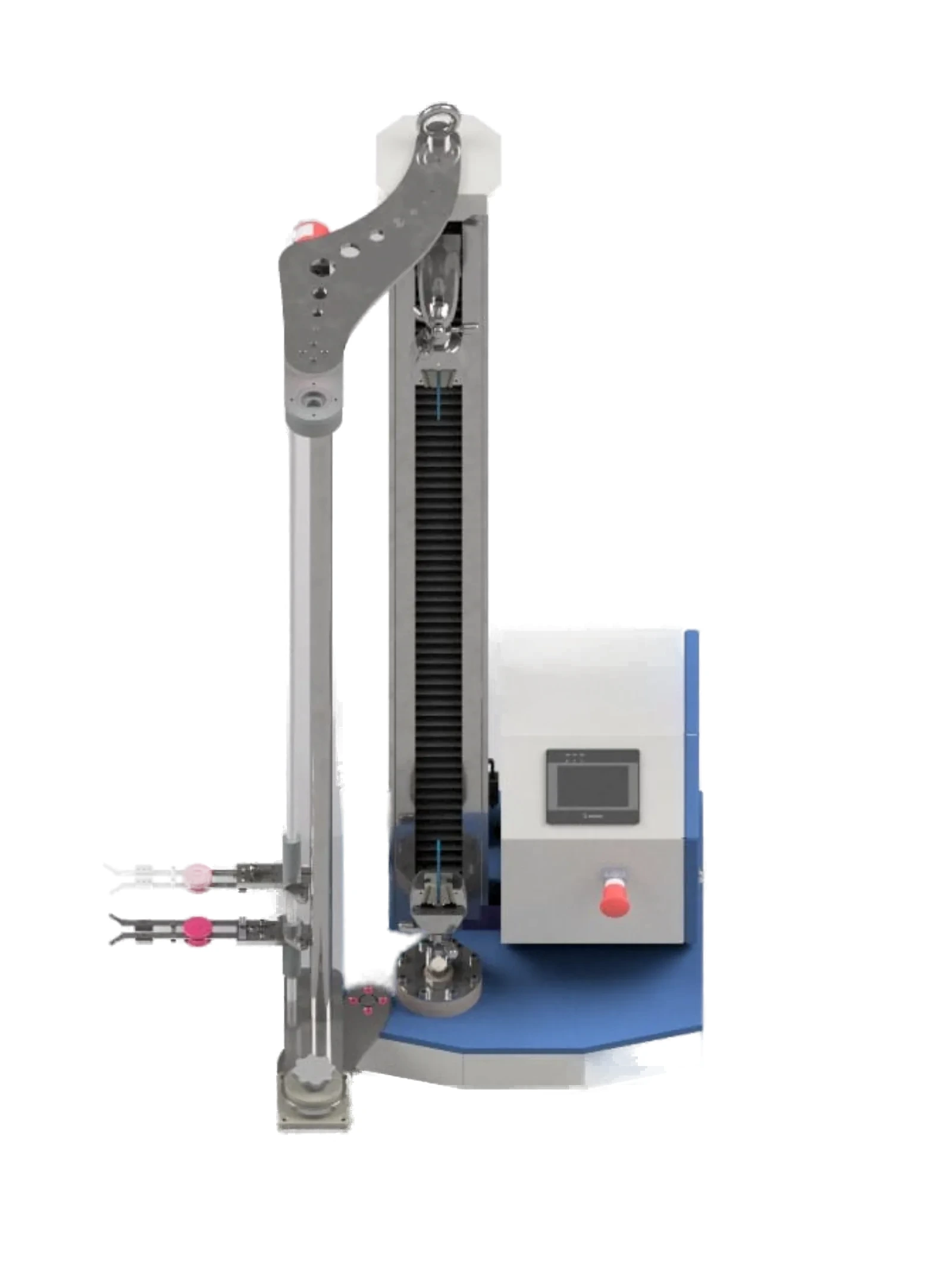
5 kN Universal Testing Machine (AL-UN5)
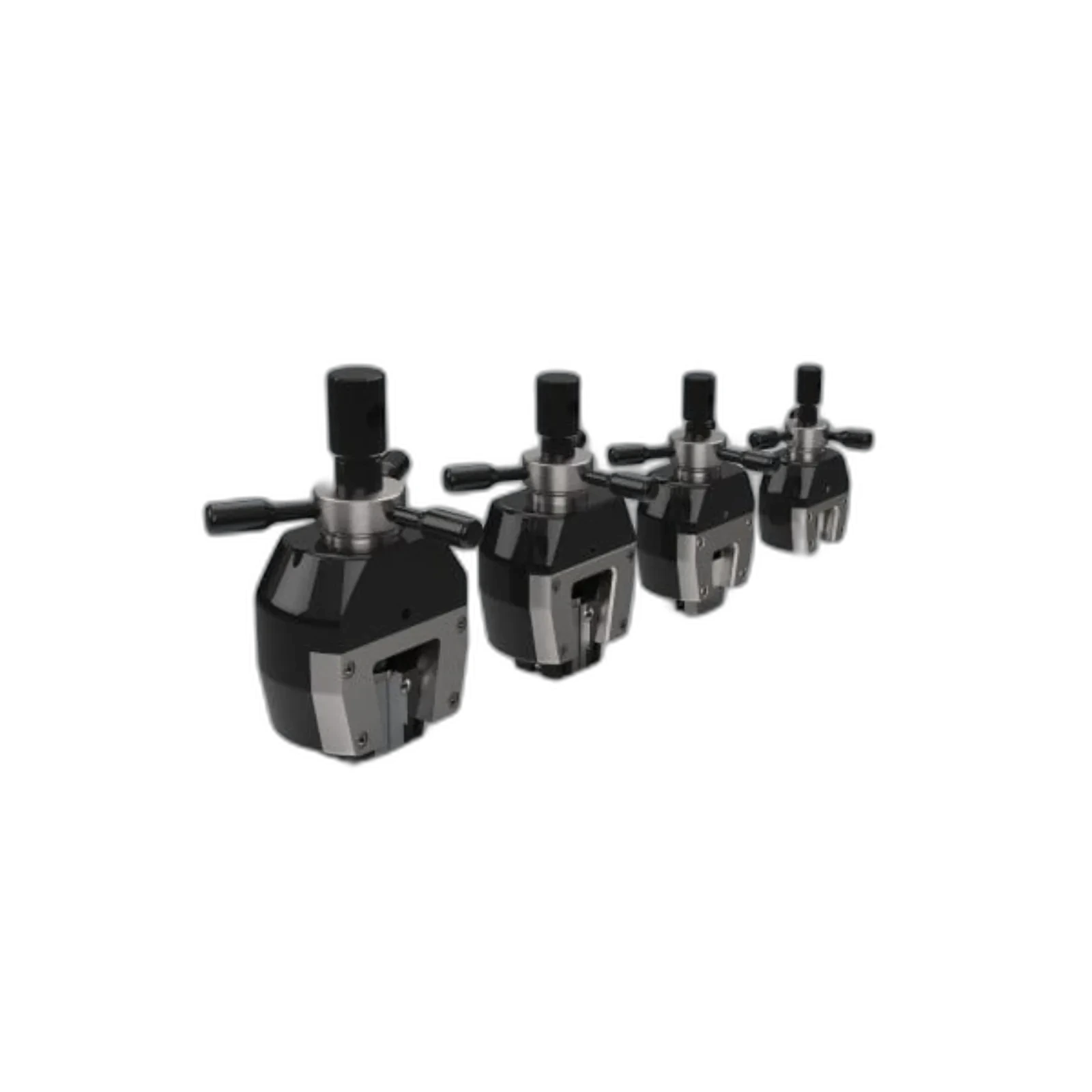
Grippers (Mechanical)
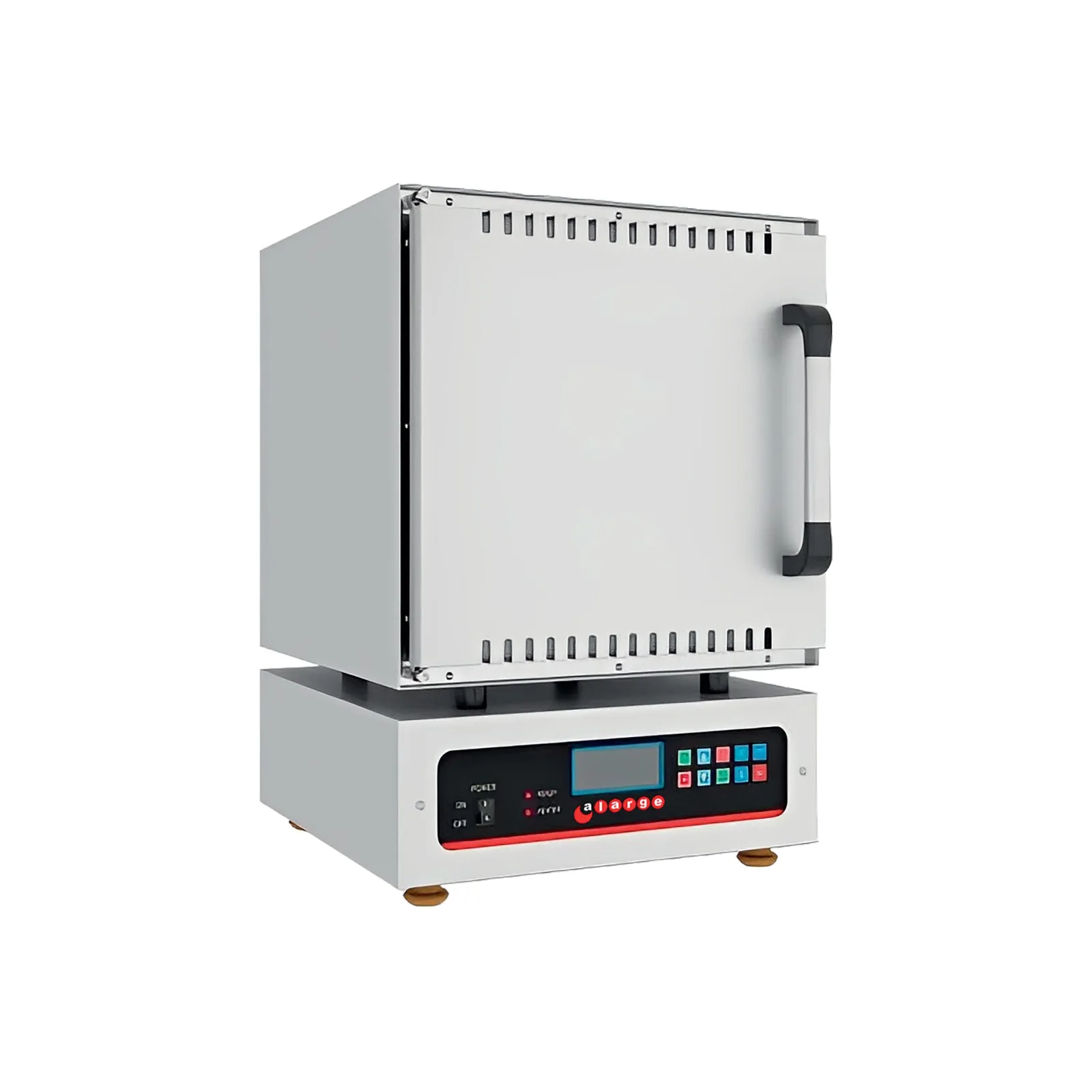
Muffle Furnace
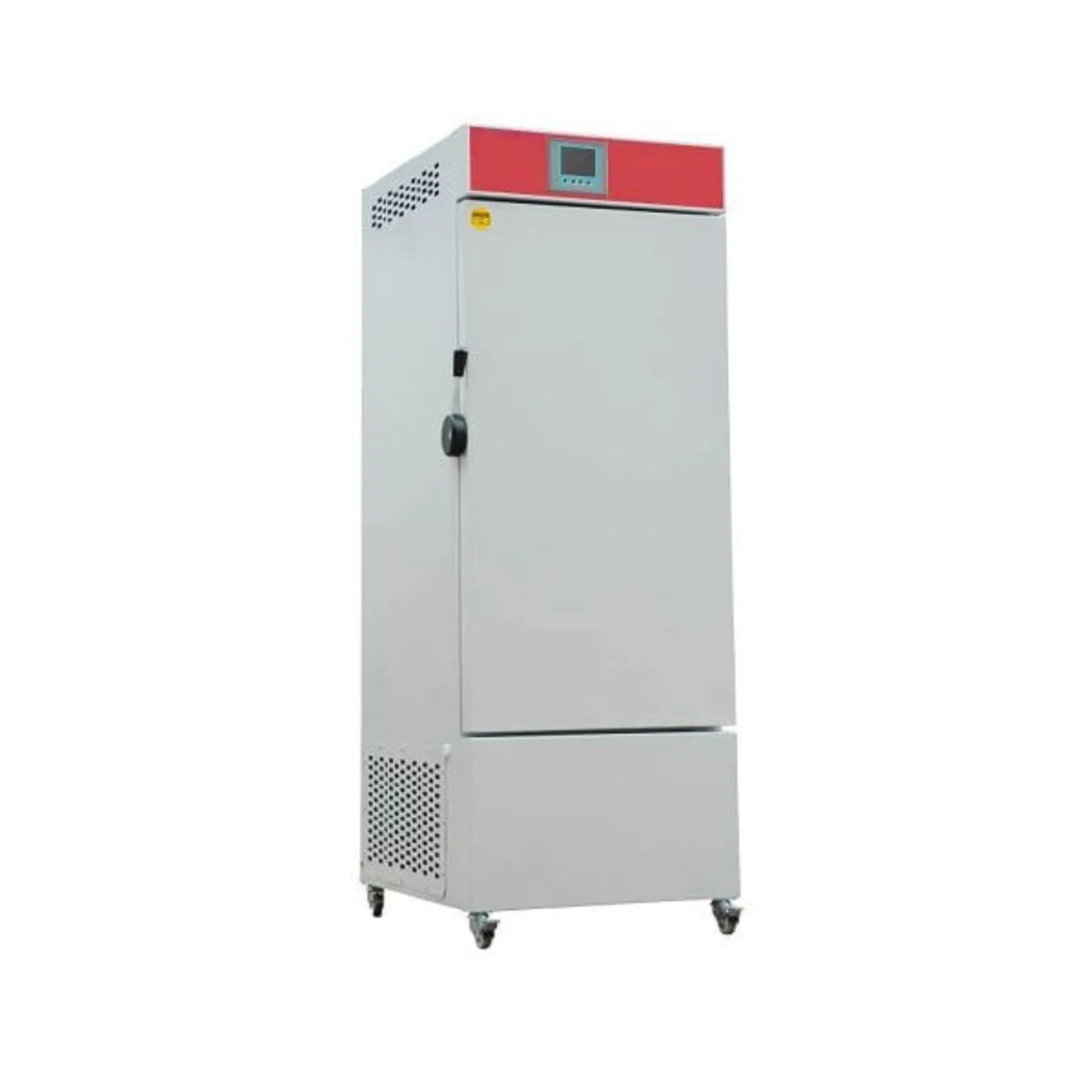
Climate Cabinet
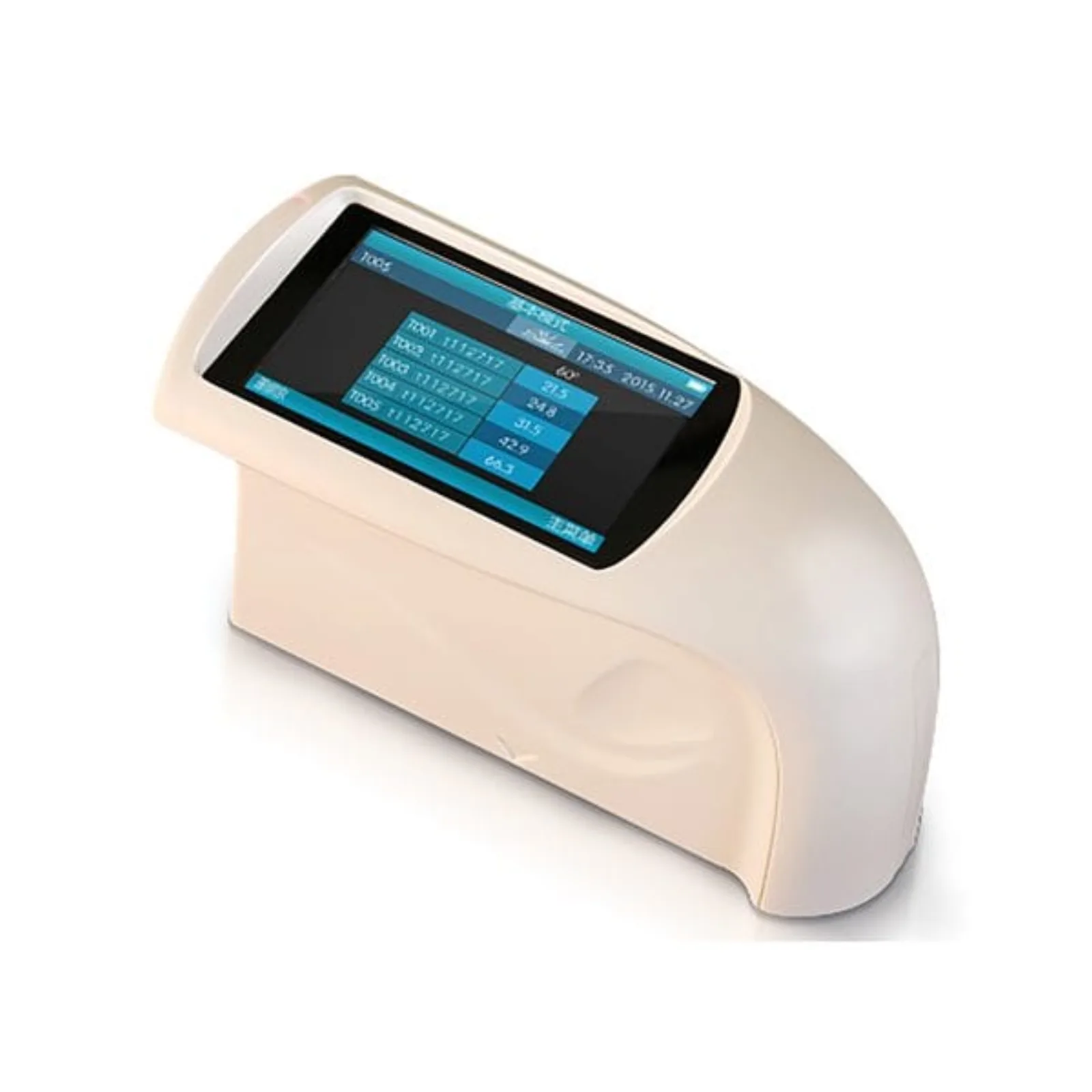
Gloss Meter

High Quality Colorimeter
Test standards covered
Frequently asked questions
What is the tensile test for steel and aluminium?
A test to ISO 6892-1 (ASTM E8) in which a machined or full-section specimen is pulled to fracture at a controlled rate. The machine records the force–extension curve and reports tensile strength (Rm), yield strength (ReH or Rp0.2) and elongation after fracture (A).
Which machine do I need to tensile-test rebar?
One whose capacity exceeds the bar's breaking force (tensile strength × cross-section). For B500-grade rebar that is about 74 kN at Ø12 mm and 131 kN at Ø16 mm, so the Alarge AL-UN200 (200 kN, double column) with hydraulic wedge grips covers these sizes; Ø20 mm and above need a higher-capacity frame.
Why use hydraulic grips for rebar and steel?
Hydraulic wedge grips keep a constant clamping force throughout the test, so ribbed bar and round specimens do not slip or fail at the jaw, which would invalidate the result. Alarge hydraulic grips are rated 50–500 kN with interchangeable faces for round and flat specimens.
How are aluminium profiles tested?
Strip specimens cut from the profile wall are tensile-tested to ISO 6892-1 and the values compared with the minimums in EN 755-2 for the alloy and temper (e.g. 6063-T6). A typical 40 mm² strip breaks near 10 kN, so it is tested on the 200 kN frame; thin sheet and foil go on the 5 kN AL-UN5 for finer force resolution.
Which checks apply to painted or powder-coated aluminium profiles?
Gloss at 60° to ISO 2813 (the geometry Qualicoat-type coating specifications use; 20° and 85° are available for very high or low gloss), colour difference (ΔE, L*a*b*) against the approved panel, and humidity / temperature exposure in a climate cabinet.
What is a muffle furnace used for in a metals lab?
Heat-treating small specimens between 250 and 1,000 °C — for example annealing, normalising or hardening steel, or solution treatment of aluminium — before mechanical testing. Low-temperature artificial ageing of aluminium (below 250 °C) needs a laboratory oven instead.
Can I test my steel or aluminium samples before buying?
Yes. You can send or bring rebar, wire, sheet or profile samples to Alarge's facility in Istanbul and watch the tensile test run on Alarge's own machine, free of charge.
Tell us what you produce — we'll spec the lab.
Share your product, material and the standards you test to; our engineers will recommend the right device set and configuration.